

When I was in high school, I had no idea a simple work study opportunity would redirect my entire future. That is exactly what happened when I was beamed over to NASA for the first time. That early exposure to real world engineering lit a spark that has stayed with me ever since. A curiosity for science, safety, and how technology can genuinely serve people.
All these decades later, that same curiosity still energizes my work with IEC 60601, patient safety, and supporting the MedTech industry. So when I joined Faisal Kamal on The ⭕️ Podcast, it felt like a perfect chance to bring all these threads together. Star Trek. NASA. Standards. Innovation. Human factors. EMS & Home use environments.. And above all, patient safety.
Judging by the conversation that unfolded across LinkedIn afterward, I was not the only one who felt the episode combined heart, humor, and hard won lessons in a very different way.
Standards Are Not Rulebooks. They Are Star Maps.
One of the core themes Faisal and I explored on the podcast was the idea that IEC 60601 is not just a set of rules. It is a star map.
A star map built from decades of engineering mistakes, test data, regulatory learning, and field experience.
Many people see standards as obstacles. In reality, standards like the IEC 60601 series are a knowledge base created to unlock innovation safely, not shut it down.
Several people who reacted to the episode picked up on that idea. They commented on how the format allowed serious topics like risk, essential performance, and compliance to feel more approachable. That mix of education and entertainment was exactly what we were hoping for.
Why Star Trek Got So Much Right
A fun part of the episode, and something listeners responded to strongly, was connecting Star Trek’s fictional tools to real world design challenges.
Take the tricorder. It is a great analogy for electronic medical devices used in the home and in EMS environments. These are unpredictable spaces filled with:
- noise
- chaotic motion
- temperature shifts
- RF interference
- unexpected stress
The 4th edition of IEC 60601 intentionally integrates these concepts. It pushes engineers and manufacturers to design for the environments where devices actually get used, not just for clean lab conditions.
The underlying idea is simple and powerful. Reliability under stress is at the heart of essential performance and patient safety.
The Human Side Of Standards Work
Another meaningful thread that came out in the comments was the human side of the story.
People commented that the journey from NASA to MedTech felt inspiring and very real. Hearing that from respected peers in the MedTech community meant a lot to me personally.
IEC 60601 discussions rarely highlight the human side of standards work. The early influences. The mentors. The choices that move someone from pure engineering into safety and compliance. Those pieces matter.
As Faisal noted, learning about the path from NASA to medical device safety helped make the technical content more relatable and more human.
Building The Next Generation Of Standards Developers
A theme that resonated with several colleagues, including Beat Keller and others who shared or commented, was the hope that this episode reaches the “Next Generation” of engineers and standards enthusiasts.
Right now, more experts are aging out of standards development than new people are joining. The future of safe medical device design depends on bringing younger professionals into the process.
If even a handful of listeners feel curious enough to explore standards work after hearing this episode, that is a tremendous win not only for me personally but for the whole MedTech industry as a whole. We desperately need “new blood” to come into standards development.
A Community Effort
Many colleagues across LinkedIn reposted, amplified, and commented on the podcast. I am grateful for every one of them.
From Trekkie references to technical reflections to notes from people who simply enjoyed the story
the engagement showed how enthusiastic and thoughtful the MedTech safety community really is.
Where To Listen
If you have not listened yet, I welcome you to take the journey.
“The Star Map to the Future with Leo Eisner The IEC 60601 Guy” on The ⭕️ Podcast.
It mixes sci fi, standards, storytelling, and safety into a format that is both fun and unexpectedly educational to make it edu-tainment.
You can listen to the full episode through The ⭕️ Podcast and through the episode links shared on my LinkedIn post and on Faisal’s page.
Closing Thoughts
Thank you to everyone who listened, commented, shared, or supported the conversation.
Here is to curiosity, creativity, and keeping patients safe in every environment on every device across every generation whatever race you are where ever you are in the galaxy
Live Long and Prosper my Friends one and all
🖖🚀
Leonard “Leo” Eisner
The IEC 60601 Guy
A quick snapshot of how we help
This one-page overview summarizes our core focus areas in product safety, EMC, risk management, labeling, and training.
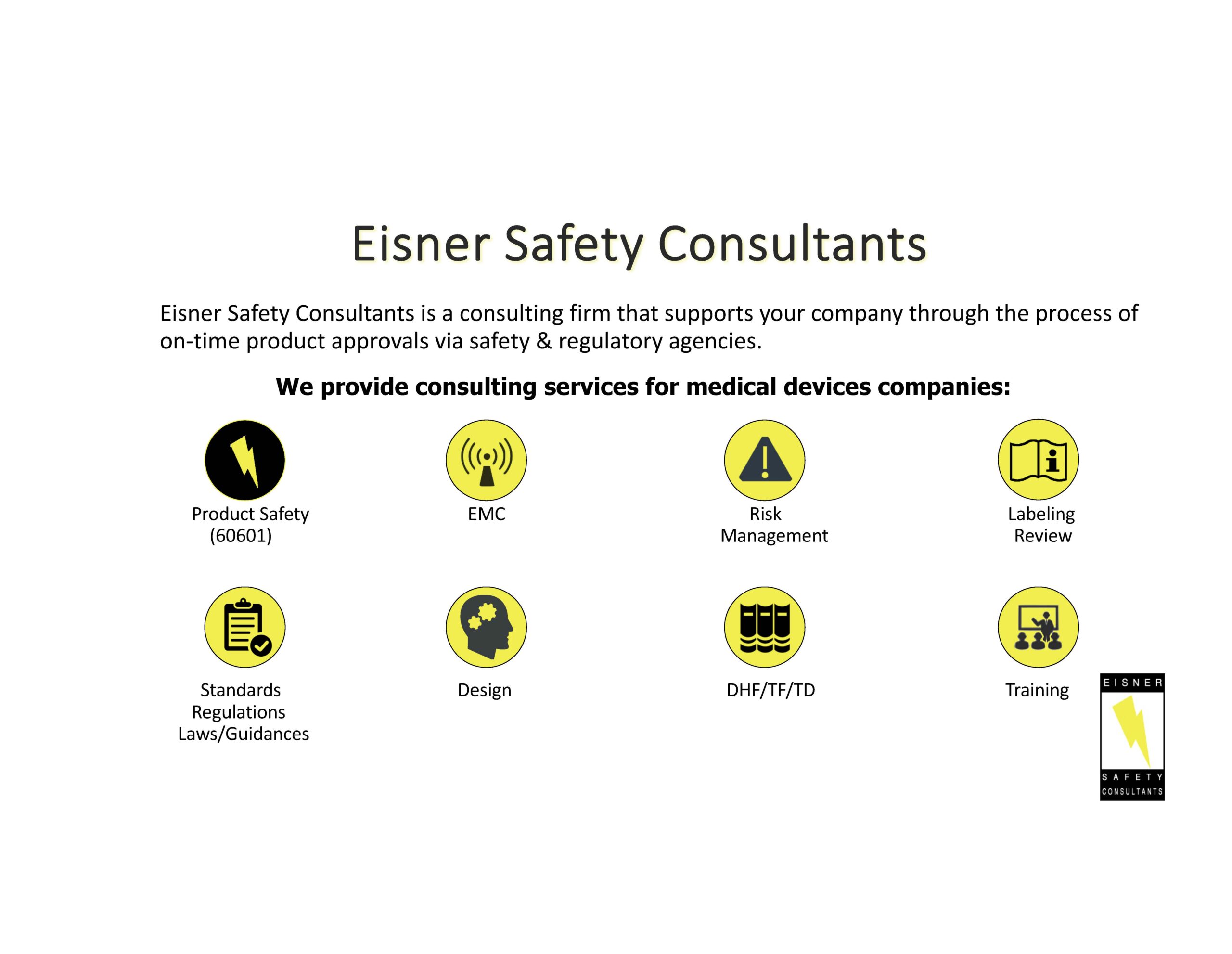
You are welcome to read, share, or save this summary if it is helpful for your team.