FDA fully recognized IEC 61326-2-6:2025 and included it in ASCA on July 28, 2025. Here’s what changes and how IVD manufacturers should respond.
read on for the bottom line and 4 key takeaways…

Just another WordPress site

FDA fully recognized IEC 61326-2-6:2025 and included it in ASCA on July 28, 2025. Here’s what changes and how IVD manufacturers should respond.
read on for the bottom line and 4 key takeaways…
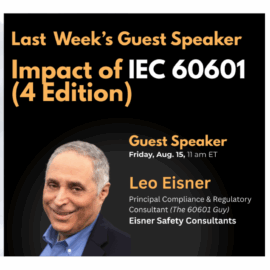
On August 15, 2025, I had the privilege of presenting the Impacts on IEC 60601-1, 4th Edition webinar as part of MLVx Friday In-Focus. The turnout was incredible, with more than 110 MedTech professionals from around the world joining. Startups, SMEs, large manufacturers, test labs, and regulators were all represented.
We unpacked the drivers and major changes in the upcoming 4th Edition, and the discussion didn’t stop when the webinar ended. Some of the most valuable insights came afterward in the LinkedIn conversations that followed.

Once the 4th Edition is published, redesigns and QMS updates will be far more costly.
Direct insights from someone in the development of IEC 60601-1, 4th Edition
Get an insider’s view of the upcoming changes, their real-world impact, and how to prepare, from someone directly involved in developing the standard.

Over the last two weeks – and with a Friday night (6/20/25 Geneva time – late) finale still to come – we’ve seen CD1s and CD2 (WG 47 ONLY) fly out for Fragments 5, 6, 7, 8, 10, 11, and 12 from WG 41 through WG 48, but for WG 45.
This is not just standards spring cleaning – these are foundational changes to the IEC 60601-1 General Standard, folding the Collateral standards into the core. If you have medical electrical equipment, medical electrical systems or software SaMD or SiMD you need to be aware of these changes. If you’re a manufacturer, test lab, trade association, Notified Body, Regulator or other interested party who owns a risk file… you need to review this.
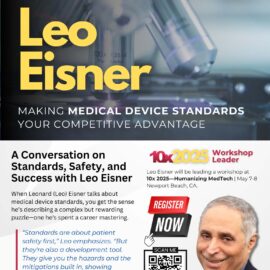
Don’t make the 5 costly mistakes companies make with Medical Device Standards. Learn from the IEC 60601 Guy himself.:
Late Identification of Applicable Standards: Leads to expensive redesigns and delayed timelines
Ignoring Expert Standards Guidance: Results in regulatory rejections and costly resubmissions
Unprepared Risk Management File for Testing: Risks unnecessary costs due to lack of strategic planning for compliance.
Unprepared Regulatory Submissions: Leads to costly setbacks and market-entry delays
Underestimating Education and Training: Creates knowledge gaps, increasing errors and compliance risks.